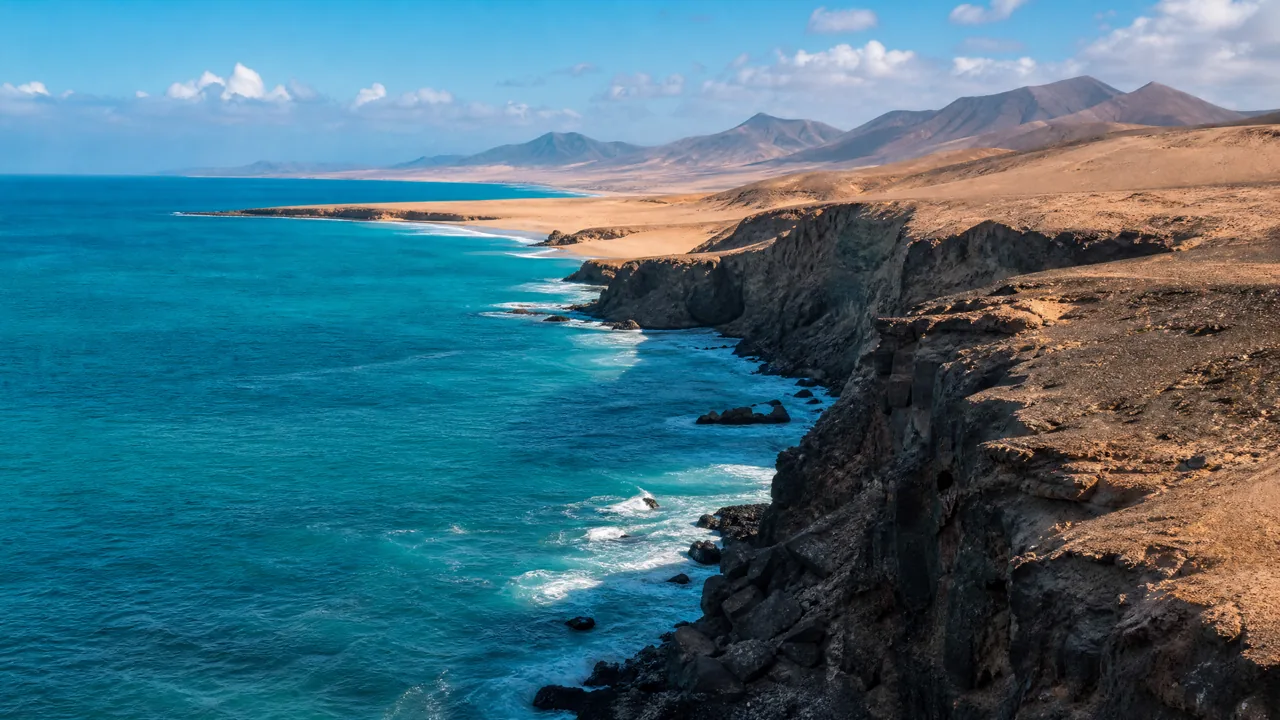
Fuerteventura digital nomad guide: find your freedom with wind, beaches and fiber
Craving room to breathe? Fuerteventura is the quieter, windier sister of Gran Canaria and Tenerife: long beaches, around 300 sunny days a year and fiber in the towns. Discover what life and work on the island could look like for you.
Why Fuerteventura works for digital nomads
Imagine closing your laptop and finally living the life you keep putting off. Fuerteventura is the second-largest of the Canary Islands, offering remote workers long sandy beaches, a mild climate all year and modern infrastructure. With around 300 sunny days a year, mornings working indoors and afternoons outside don’t have to be a daydream. They can be your everyday life.
The internet makes the dream practical. Many towns have fiber, high-speed connections are available in most towns and tourist areas, and coworking spaces and many cafés offer reliable Wi-Fi. Movistar is one of the main providers for mobile and home internet. Get a local SIM with a data plan as your backup, and let that worry go: video calls and large uploads are not a problem.
Craving nature and water sports more than city life? This could be where you feel alive again. That is its irresistible appeal, and its limit.
Where to live: coast or interior
Choose your base, and shape the life you came here for, at a cost that works for you.
- Corralejo in the north puts coworking spaces, cafés popular with remote workers, a weekly market and the dunes of Corralejo Natural Park right on your doorstep.
- El Cotillo is your spot for surfing, with laptop-friendly cafés.
- Caleta de Fuste offers popular coastal-town living, but rents are higher.
- Puerto del Rosario keeps you connected with coworking spaces and fast internet.
- Antigua and La Oliva inland let you embrace quiet, authentic Canarian life and lower costs, with reasonable access to the coast.
Want more coworking options and better infrastructure for remote workers? Head for the coastal towns. Craving peace and lower costs? Choose the interior, but you will want a car. Short-term holiday rentals dominate tourist areas; stay longer, and a long-term rental usually costs less. For shared costs and new connections, shared houses are a common choice among remote workers.
What life on Fuerteventura costs
That island life you’ve been dreaming of? It could be closer than you think. Fuerteventura is moderately priced compared with other EU destinations, just steer clear of the tourist hotspots. Take your first step with these rough monthly estimates, dated 2024; check current listings before you commit:
| Cost | Per month |
|---|---|
| One-bedroom apartment | €400-600 |
| One-bedroom in Corralejo or Caleta de Fuste | about €500-700 |
| Groceries | €200-300 |
| Internet | €30-50 |
| Local transport | €50-100 |
| Coworking desk | about €100-200 |
Where you stay, and when, can make all the difference to your budget: prices vary with location and season, and coastal areas generally cost more than the interior. Enjoy free Wi-Fi at many cafés for occasional work, or make a coworking membership your go-to base for daily calls.
Visa and tax: Fuerteventura is Spain
Your island dream deserves a solid start. The Canary Islands are part of Spain, so Spanish residence and tax rules apply. With an EU passport, you can live and work on the island; for longer stays, register with the local authorities and get an NIE, the foreigner identification number.
With a non-EU passport, you have two routes to your island life: your own passport's visa-free stay, or Spain's telework visa under the Startup Law. As of August 2026 it requires income of €2,849 gross a month and is issued as a 1-year visa by a consulate or as a 3-year permit when you apply inside Spain. Typical documents are a valid passport, proof of sufficient funds and of remote work, and health insurance. Take your next step with our Spain digital nomad visa profile.
Protect your dream from expensive surprises: tax follows residence, not the beach. If you spend more than 183 days in Spain in a calendar year, or your center of vital interests is there, you are generally taxed on your worldwide income at progressive rates from 19% to about 47%, and you must report foreign assets over €50,000 on Modelo 720. The 24% Beckham regime is built mainly for incoming employees, not freelancers. One island detail worth knowing: the Canaries do not charge the standard Spanish VAT of 21%. Plan with confidence: explore how residence and treaties interact in our guide to where digital nomads pay taxes.
Getting around and island hopping
Feel free to explore: a reliable bus network connects the main towns, with modern, punctual buses that make getting around effortless. Craving remote beaches and surf spots? Rent a car and chase them down.
Fuerteventura's international airport sits in the middle of the island, with direct flights to many European cities, so home and your clients stay within easy reach. Ready for your next adventure? Regular ferries run to Lanzarote, Gran Canaria and Tenerife. Lanzarote is about 25 minutes away by ferry, making an island escape an easy day trip. Craving a fresh backdrop for a few weeks? Explore the larger islands with our guides to Gran Canaria and Tenerife, or find the breathing room you need for focused work on the smaller islands of La Palma and El Hierro, quiet retreats where you can truly settle in.
Life outside work
Love water sports? This island is where your free time comes alive. Find your wave at surf spots for beginners and experienced surfers, or embrace the constant wind that makes Fuerteventura a well-known kitesurfing destination. On land, explore trails through volcanic landscapes and along the coast, and spend a morning in the dunes of Corralejo Natural Park. Join fellow long-stayers for yoga and mountain biking, popular ways to make every day feel fuller.
Feel the warmth of Canarian culture in small villages, bustling markets and food worth slowing down for: tapas bars, fresh fish and seafood. Then unwind at beach cafés and bars with live music, relaxed evenings that trade big-city nightlife for something more personal.
Finding your people
You don’t have to build your island life alone. Fuerteventura has an active remote work community, with Facebook groups for digital nomads on the island the usual first stop for newcomers. Coworking spaces bring people together through regular networking events and meetups. Then come the beach barbecues, the surf lessons, and that relaxed pace that makes getting to know people feel so easy.
Give yourself the chance to feel at home: pick a coworking space with an events calendar and go to the first meetup in your first week. Find more inspiration in our guide to the digital nomad community, or explore the bigger picture across the archipelago with the Canary Islands for digital nomads.
Frequently asked questions
Is Fuerteventura good for digital nomads?
Yes, if you crave quiet, beaches and water sports. Many towns have fiber, with coworking available in Corralejo and Puerto del Rosario, and moderate costs mean more breathing room. Just know: city life is limited.
Does Spain have a digital nomad visa?
Yes, your dream of working remotely from Spain could become reality. Non-EU remote workers can use Spain's telework visa, which covers the Canary Islands. As of August 2026 it requires €2,849 gross a month in income. EU citizens need no visa.
What does it really cost to live your Fuerteventura dream?
Imagine calling Fuerteventura home: older estimates put a one-bedroom at €400-600 a month, or about €500-700 in Corralejo, plus €200-300 for groceries and €100-200 for coworking. Ready to make the leap? Check current listings first, as prices vary by season and location.
Dreaming of more than a season in the Canaries?
A few months on Fuerteventura? Easy. But staying past 183 days makes you a Spanish tax resident. Protect the dream you’re building. A consultation helps you plan visa, residence and tax before you commit.
Book a consultation