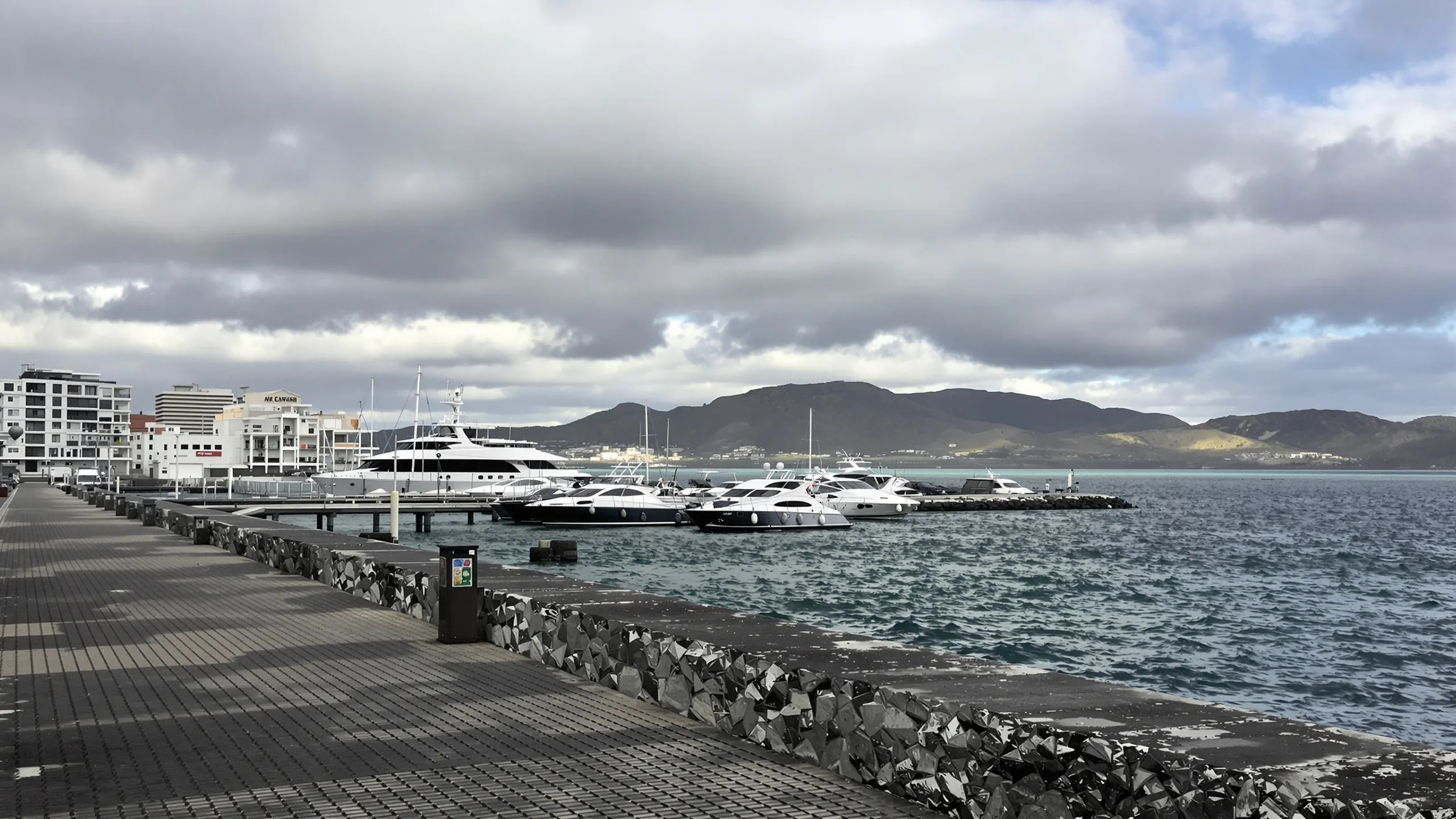
Azores for digital nomads: dream islands, real costs and the unfiltered reality
Nine volcanic islands in the middle of the Atlantic. Crater lakes instead of beach bars. And fiber instead of a nomad scene. The Azores aren’t a hotspot; they’re a deliberate choice to escape one. Craving something different? Here’s what that choice means for your life, day to day.
First, the truth about the weather
About 1,400 km west of Lisbon, these islands can steal your heart, but the weather shapes your happiness here more than any budget: the Azores are not a beach paradise and never were. Expect a subtropical and oceanic climate: mild, humid and changeable all year. Winter temperatures sit around 14-17 °C, summer around 22-26 °C, with no frost and no heat waves. The sea ranges from about 16 °C in late winter to 23 °C in late summer.
The trade-off? Weather that keeps you guessing. Islanders say "four seasons in one day", and they mean it literally. From November to March it rains often and humidity is high. In many older, uninsulated apartments, mold becomes a real issue unless you consistently air them out or run a dehumidifier. Craving winter sun? Choose the Canary Islands. But if your heart wants Ireland with hydrangeas, and summers that never feel oppressive, this could be your kind of escape.
The islands: where your dream meets reality
For a working stay of weeks or months, nine islands narrow to one and a half options. Here’s where that dream can actually work.
São Miguel: the base that makes it possible
São Miguel is by far the most realistic base, and for most people, the only one. Want island freedom without sacrificing everyday essentials? The largest island has about 140,000 residents, the international airport with the best connections, the most complete infrastructure and the only real town: Ponta Delgada, with almost 70,000 people in the municipality, a choice of supermarkets and a hospital. Work in the centre at the unOffice PDL Business and Cowork Center; a little outside, discover workation houses such as Novovento and the Casa15 coliving with sea views. In Lagoa, twenty minutes east by car, the regional startup scene comes together at the NONAGON technology park.
Craving surf just beyond your doorstep? On the north coast, Ribeira Grande courted remote workers earliest, with surf spots close by and Lava Coliving anchoring its small international community. Choose Ponta Delgada for urban convenience or Ribeira Grande for surf and a quieter rhythm. Then take a rental car into the landscapes you came for: the Sete Cidades caldera in the west, Lagoa do Fogo in the middle, the hot springs of Furnas in the east.
Terceira: your quieter alternative
Terceira is the only serious alternative, and an invitation to slow down. Fall for the UNESCO World Heritage old town of Angra do Heroísmo, arrive through the international airport at Lajes, and find coworking desks at StartUp Angra, an incubator in town. Smaller, quieter and cheaper, it is also a better starting point for the neighbouring islands. A wonderful second stop for four to eight weeks; as your only long-term base, it suits only those who truly crave quiet.
The small islands: escape there, don’t base yourself there
Pico with its 2,351-meter volcano, São Jorge, Faial, Flores, Graciosa, Santa Maria and Corvo are spectacular for trips, not for work. Go for the wonder, but remember: apartments are few, supplies limited, and one storm can delay flights and ferries by days.
Azores for digital nomads: internet, workspaces and time zone
You don’t have to choose between your island dream and a connection you can count on. Settled areas on São Miguel and Terceira are largely on fiber, connections of several hundred Mbit/s are standard in Ponta Delgada, and MEO, NOS and Vodafone cover populated areas reliably. And there’s more to look forward to: the new CAM ring between mainland Portugal, the Azores and Madeira (six fiber pairs, about 150 Tbps) goes into service in 2026, and Google's Nuvem transatlantic cable links the Azores directly to the route between the US and Portugal. For business-critical calls, give yourself that extra peace of mind: still run fiber plus a mobile hotspot, as on any island.
Real workspaces. Less noise. Room to breathe. There is no coworking scene like Lisbon's or Madeira's. The spaces exist, but you can count them on one hand. Most remote workers work from home, turning to the spaces for that welcome sense of connection two or three days a week.
Imagine waking up to a morning that belongs to you. The Azores have their own time zone, UTC-1: one hour behind Lisbon and London and two hours behind Central Europe, all year. Cover a full European afternoon, while keeping your morning free for what makes you feel alive: a hike, a surf or the pool.
Programs and community in 2026
The promise is exciting, but announcements have at times outrun reality. In 2022, Ribeira Grande launched its own platform for digital nomads ("Digital Nomads RG"), making the town the heart of the small scene, though the platform now looks only sporadically maintained. At regional level, the DNA Azores program was announced at the end of 2024 to attract remote workers to the smaller islands of the central and western groups, at times offering free housing as an incentive. Tempting? Absolutely. But do not plan around incentive programs: they come, change and disappear. Plan around what is built, fiber, airports and colivings.
The real draw? A community small enough to feel close. On São Miguel, that means dozens, not thousands. You know everyone after a week. If you crave connection rather than a crowd, that matters. Madeira, with its organized nomad village, is the opposite model; see Madeira for digital nomads.
Costs in 2026
Your dream of island living could be closer than you think. The Azores have stayed affordable for Portugal, thanks to seasonal tourism and a small international influx. Rents are about 15-20% below Lisbon. Enjoy cheap, excellent local produce; imported brands carry an island surcharge. Here’s what to budget: monthly ranges for one person on São Miguel, summer 2026:
| Item | Ponta Delgada / São Miguel |
|---|---|
| One-bedroom, center | €650-950 |
| One-bedroom, outside the center | €500-700 |
| Utilities incl. internet | €120-180 |
| Groceries and eating out | €350-500 |
| Coworking (flex desk) | €100-180 |
| Long-term rental car | €400-700 |
| Coliving (room, all inclusive) | €700-1,100 |
Picture your life here: €1,200-1,700 a month without a car, €1,600-2,300 with one. Rentals and cars cost more from June to September, but winter stays mean better terms. Enjoy a menu of the day for about €10-14. The real budget pressure? Not daily spending, but flights if you often need the mainland.
Getting there and getting around
Your island escape starts with the reliable year-round route via Lisbon or Porto. From Lisbon, TAP, Azores Airlines and Ryanair whisk you to Ponta Delgada in just over two hours, often cheaply. Between the islands, SATA Air Açores flies, while Atlânticoline ferries serve the central group; the half hour between Faial and Pico is the only hop that feels like a commute. Protect those precious plans: build in a weather buffer for every inter-island plan.
On the ground, a car is almost unavoidable, but it unlocks the island you came to experience. São Miguel without a car is half an island: buses follow school and commuter schedules and barely reach the nature spots. Living and working in Ponta Delgada? Walk on weekdays and rent a car in blocks for weekends. It is the cheapest setup that works, giving your weekends the freedom they deserve.
Visa and tax: Portugal's rules apply
Your island dream deserves a solid start. Legally, the Azores are Portugal: an autonomous region with some lower regional tax rates, but the same framework for residence. No EU passport? Your route is Portugal's D8 visa for remote workers; find income thresholds and the process on our Portugal digital nomad visa page. Portuguese tax residence follows the 183-day logic, with a second route via a home available to you; get clarity in our guide on where digital nomads pay taxes. Before you chase that island dream, protect your peace of mind: your tax position at home does not end when you board the plane, but with a clean departure.
Daily life, and who the Azores suit
Close your laptop. Take a breath. Head straight for a crater lake hike. Spend winter swimming in volcanically heated pools. Discover more than twenty species of whales and dolphins offshore, including blue and sperm whales for a third of the year. In the Azores, nature turns ordinary days into something unforgettable: surfing, canyoning, diving, and cozido slow-cooked in the volcanic ground of Furnas. This is everyday life with the wonder switched back on.
But even paradise can leave you aching for connection: after the weather, isolation is the second reason stays fail. The nearest big city is two hours away by plane, and there is no popping off somewhere else for the weekend. An introvert with a steady work routine? You could truly thrive. If city life makes you feel alive, stay one summer at most.
Is this the life you keep wishing you had? The Azores suit you if you work with European clients and value the two-hour offset, choose nature over a scene, and can embrace changeable weather. Make that first chapter count: a four to twelve week block on São Miguel between May and October, a rental car, and health insurance that properly covers your stay. Need reliable sun, urban density or a big nomad scene? Don’t force the dream. Find your fit in the Canaries, Lisbon or Madeira instead.
Frequently asked questions
Are the Azores good for digital nomads?
Yes, if you crave nature, calm and a small community, and can embrace changeable weather. Fiber is widespread on São Miguel and Terceira, so your island dream feels within reach. Just know: there’s no big coworking scene, and the islands can feel isolated.
Which island is best to live on in the Azores?
Make São Miguel your home, with Ponta Delgada or Ribeira Grande as your base. Ready for your next chapter? Terceira works beautifully for a second stop of four to eight weeks. Save the smaller islands for unforgettable trips, not working stays.
How much does it cost to live in the Azores?
Your island dream could be closer than you think: about €1,200-1,700 a month without a car and €1,600-2,300 with one on São Miguel, as of summer 2026. Rents run about 15-20% below Lisbon; the big extra to budget for? Flights to the mainland.
What time zone are the Azores in?
UTC-1, one hour behind Lisbon and London and two hours behind Central Europe all year. Cover a full European afternoon, and reclaim your mornings for what makes you feel alive.
From island stay to move
Could your island stay become your move to Portugal?
If a few weeks on São Miguel have you dreaming of a real move, don’t let residence, a D8 visa, tax and your departure from home overwhelm you. A consultation helps you turn that dream into a plan, with the steps in the right order.
Book a consultation