🇲🇸 Montserrat Digital Nomad Visa: Live Your Dream With The Remote Work Stamp
Imagine calling the Emerald Isle of the Caribbean home: about 4,400 residents, an active volcano and a remote work program often said to have quietly ended. But it is still running in 2026. The hurdles are high, and it serves a very specific audience. Could that be you?
At a glance
| Duration | 12 months, extension possible |
|---|---|
| Income threshold | US$70,000 a year, per main applicant (not per head) |
| Fee | US$500 individual, US$750 family with up to 3 dependents, US$250 per further member; non-refundable |
| Where to apply | Online via montserratremoteworker.com |
| Processing | Response within 7 working days |
| Work | Only for foreign employers, your own foreign company or foreign clients |
| Tax | No local tax on foreign income; no Montserrat tax residence certificate |
| Permanent residence | No; not a route to permanent residence or a passport |
Is the Montserrat digital nomad visa still open?
Don’t let an outdated visa list kill your island dream. Some overviews list the Montserrat Remote Work Stamp as ended in 2022. As of our check in August 2026, that is wrong. Both the Montserrat Tourism Authority and the official application portal, montserratremoteworker.com, continue the program and accept applications. Your chance is still very much alive.
Here’s the truth: the program launched in early 2021, during the Covid period, and that big marketing push is over. But the opportunity isn’t. You can still apply for the stamp.
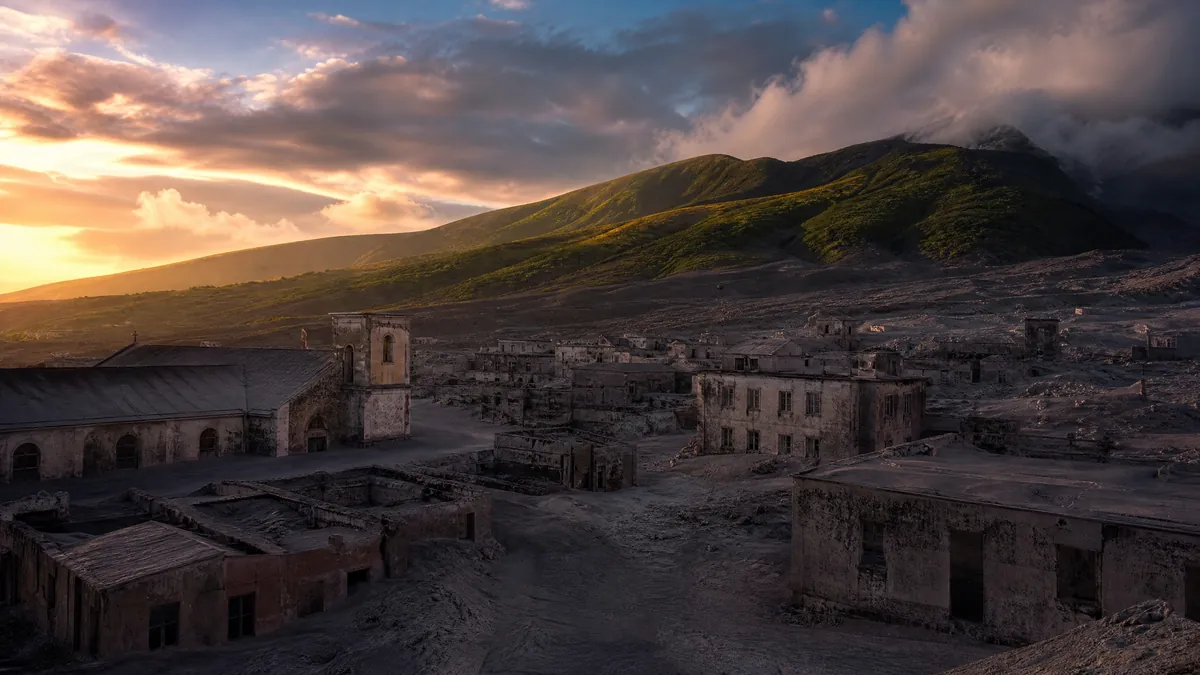
Picture a British overseas territory with an active volcano, an exclusion zone around it and the intimate rhythm of a Caribbean village. That’s Montserrat. But is a one-year base on an island of about 4,400 people truly right for you? This page explores the program and helps you face that question honestly. New to these possibilities? Start imagining your next chapter with the overview of all digital nomad visas.
Unlock Your Freedom: Remote Work Stamp Conditions
| Point | Rule in 2026 |
|---|---|
| Duration | 12 months, extension possible |
| Fee | US$500 (individual), US$750 (family with up to 3 dependents), US$250 per further family member; non-refundable |
| Minimum income | US$70,000 a year |
| Processing | Response within 7 working days |
| Work | Only for foreign employers, your own foreign company or foreign clients |
| Path to residence | None; the stamp is no route to permanent residence or a passport |
Your next chapter starts with proof of employment or of your company, income proof, a passport copy, a police certificate and health insurance with cover in Montserrat. The paperwork isn’t what makes you hesitate. It’s the US$70,000 of annual income plus a US$500 fee, for an island few people even have on their list. That income requirement is more than double what most Caribbean programs ask for. A beautiful dream, but a serious commitment.
How the application works
Your fresh start is closer than you think, just three simple steps:
- Take that first exciting step: fill in the online form on montserratremoteworker.com, upload your proofs and pay the fee.
- Watch your inbox for your next chapter: approval usually arrives by email within seven working days.
- With approval in hand, travel in via Antigua and receive the stamp in your passport.
You don’t have to leave your heart behind: families apply together in one application. The US$70,000 minimum income applies per main applicant, not per head, so your family does not need to show a multiple of it.
Keep unwelcome surprises out of your dream: budget for extra costs beyond the fee. These include the flight to Antigua, translation or apostille of some documents depending on the country that issued them, and insurance that expressly covers Montserrat; not every standard nomad plan does. Before you buy, feel more prepared with our overview of health insurance for digital nomads, which explains what to check.
Say yes to the adventure, with your eyes open. The stamp is purely permission to stay and work remotely. It does not allow you to take on clients on the island or run a local business, and it is not a stepping stone to permanent status. Fall in love with life here and want to stay after the year? You must extend the stamp or move into the territory's classic residence categories. Neither is automatic.
What the stamp costs
No surprises, just a simple fee structure. But remember: it is non-refundable, so give your file one final check before you pay. Feel confident about what to expect with a few examples worked out from the fee scale:
| Applicants | Fee |
|---|---|
| One person | US$500 |
| Main applicant with up to 3 dependents | US$750 |
| Main applicant with 4 dependents | US$1,000 |
| Main applicant with 5 dependents | US$1,250 |
Bring your family dream closer, but know this: the income test does not grow with your family in the same way. US$70,000 a year applies per main applicant. Protect your budget by setting aside funds for the flight to Antigua and the hop to Montserrat, any translations or apostilles, and a year of health insurance with Montserrat cover.
Before you pay, give yourself peace of mind with this quick checklist:
- Is your employer, company or client base entirely outside Montserrat?
- Can you document at least US$70,000 of annual income?
- Do you have a police certificate and, where needed, translations or apostilles?
- Does your insurance policy name Montserrat in its cover?
Taxes: no local tax, but no free pass
Your work. Your overseas clients. A year in Montserrat without local tax on your foreign income. As a stamp holder, you can work locally for your clients abroad, without Montserrat taxing those earnings.
But don’t let that freedom become a costly surprise back home. Your home country's rules still decide whether you remain taxable there. Keeping a home or residence there usually keeps your worldwide income taxable, Caribbean year or not. The stamp gives you no Montserrat tax residence or certificate to present to your home tax authority. If you are a US citizen, you remain subject to US income tax on your worldwide income wherever you live (IRS). Get clear before you go: our guide on where digital nomads pay taxes explains the basic logic.
Daily life and getting there: where the dream gets real
With Montserrat, the visa is not the deciding factor; logistics are. There is no large airport and no long-haul service. Your escape begins with a flight to Antigua, then a small plane (about 20 minutes) or ferry.
On the island, settle into English-speaking daily life, the Eastern Caribbean dollar, a very low crime rate and usable internet in the inhabited communities in the north. Your downtime? Nature, diving and the volcano observatory. Restaurants, coworking and nightlife exist only in tiny doses. Crave a buzz? You will not be happy here. Crave the headspace to finally focus on your project? You will hardly find a quieter place.
Here is the honest truth: the stamp pays off for well-paid remote workers craving a year of real seclusion, and willing to live with island supply, ferry logistics and hurricane season. If that is you, this could be your escape. For everyone else, it is an expensive footnote.
Alternatives in the Caribbean
Dreaming of a Caribbean year, but craving more infrastructure or a lower income bar? Don’t let your island dream slip away. Explore neighboring programs like the Anguilla digital nomad visa or Antigua and Barbuda, the island you pass through on the way to Montserrat anyway. Find your perfect fit: compare all programs side by side in the overview of all digital nomad visas.
Frequently asked questions
Is the Montserrat Remote Work Stamp still available?
Yes, your island dream is still within reach. As of August 2026, the Montserrat Tourism Authority and the official portal montserratremoteworker.com continue the program and accept applications.
How much income do I need?
US$70,000 a year. That’s for the main applicant, not each family member. So you can take this exciting next step together, without needing to multiply that income requirement.
Can I bring my family?
Yes, bring the people you love with you. Families apply in one application: US$750 covers a family with up to 3 dependents, and each further family member costs US$250.
Does the stamp lead to residency or citizenship?
No. It gives you the freedom to stay and work remotely for 12 months, but it is not a route to permanent residence or a passport.
Your dream island year, or another program?
Imagine a year on Montserrat. We’ll explore whether it fits your plans and income, or whether another Caribbean program could make your next chapter even more rewarding.
Book a consultation