🇦🇮 Anguilla Digital Nomad Visa: Your Dream on Hold, Dormant, No Applications
Anguilla's Lose the Crowd program once promised a year on one of the quietest islands in the Caribbean. Dreaming of making that escape your reality? If you’re here to apply, the hard truth is this: there is no working application route. But your dream doesn’t have to end here. Here’s what you can do instead.
At a glance
| Program | Lose the Crowd (Anguilla remote work program), launched August 2020 |
|---|---|
| Status | Dormant: application portal offline, program pages removed (checked 1 August 2026) |
| Former duration | 3-12 months for remote workers and students |
| Former fees | US$2,000 for individuals, US$3,000 for families |
| Former income rule | Proof of work, no fixed income threshold |
| Income tax | No personal income tax in Anguilla |
| Permanent residence | Not through this program; only through investment residence offers |
The Anguilla digital nomad visa today: no way to apply
Your laptop. The island breeze. A new life working remotely from Anguilla. It is a beautiful dream, but before you plan your escape, face the hard reality. We last checked the official channels on 1 August 2026. The program's application domain (beyondextraordinaryanguilla.com) no longer exists. Its former pages on the official tourism site ivisitanguilla.com lead nowhere. The government's eVisa portal has no remote work category.
The most frustrating part? No clear goodbye. We have not found an official notice that the program has ended, unlike the notice Antigua published for its Nomad Digital Residence. The program was not formally closed. It was quietly taken down.
That is why we label it dormant and, in practice, suspended. Do not let outdated visa lists sell you a dream you cannot currently apply for. Some still promote Anguilla as an active nomad destination, often with a year in the title that updates itself, even though their details clearly date from the pandemic years. Protect your plans before you get your hopes up: get a definitive answer from the immigration department in The Valley or through the government's official channels (gov.ai).
What Lose the Crowd offered
Imagine leaving the crowds behind, and finding room to breathe. Anguilla launched its program in August 2020 under the campaign name Lose the Crowd, Find Yourself, as part of its Beyond Extraordinary initiative. It offered:
- a stay of 3-12 months for remote workers and students
- a fee of US$2,000 for individuals and US$3,000 for families
- an online application with proof of work but no fixed income threshold, a refreshing rarity in the region
- no local taxation
And here’s the advantage that hasn’t disappeared. That last point had little to do with the program itself and still holds today. As a British Overseas Territory, Anguilla levies no personal income tax at all, on anyone, with or without a special visa. The government funds itself through charges such as stamp duties, customs duties and an interim goods and services tax.
Could that island dream open up again? Nobody can rule it out. Without an official notice that it has ended, the government could reopen the application route at any time, just as quietly as it closed it. But dreams need a real way in: while official channels offer no working application, we treat the program as what it is in practice: unavailable. We will update this page as soon as the status changes.
What you can do instead
Option 1: come as a visitor. Don’t let go of your Anguilla winter just yet. Many nationalities can enter as visitors without a visa; check the rules for your own passport. The immigration officer sets your permitted stay on arrival, and extensions are possible for a fee at the immigration department. Imagine spending winter there, working remotely for clients abroad. This is the realistic route. But protect your dream by knowing exactly what you’re choosing: visitor status, not a residence permit, not an entitlement and not a basis for moving your life there.
Option 2: switch to a neighboring program that still runs. Your dream doesn’t have to end here. Choose a route that still works, and take your next step with confidence. Two programs from the same generation are verified as still working. We checked both against their official portals in August 2026:
| Program | Duration | Fee | Income |
|---|---|---|---|
| Barbados Welcome Stamp | 12 months, renewable | US$2,000 | US$50,000 expected annual income |
| Dominica Work in Nature | 18 months | from US$900 | US$50,000 expected annual income |
Want your Caribbean dream to cost less? Dominica is clearly the cheaper of the two. Want easier travel? Barbados has much better flight connections; reaching Dominica means a change of plane.
Option 3: if you want to stay for good and have the budget. Ready to make island life your reality? Anguilla still courts wealthy newcomers through investment residence offers. But this is a completely different game: entry amounts run into the six figures, and this has nothing to do with a nomad visa.
Your Caribbean dream deserves the route that truly fits. Escaping for a single season? A visitor stay is usually enough. Want a full year with a documented status of your own? Look at Barbados or Dominica. Dreaming of a permanent base? Only investment residence offers a lasting result, but before you commit, give the costs and obligations the separate, careful consideration a life-changing decision deserves.
Taxes: don’t fall for the zero-tax island dream
Zero income tax in Anguilla sounds like freedom, but it does not erase your tax obligations at home. Your home country’s rules decide whether you stay taxable, typically based on whether you keep a home there or your centre of vital interests remains there. If it does, your home country can tax your full income, no matter where you open your laptop.
A short visitor stay does not create tax residence in Anguilla. Only a clean, complete move changes the picture, and the rules depend on the country you are leaving. Here’s the reality you cannot afford to overlook: if you are a US citizen, you remain subject to US income tax on your worldwide income wherever you live (IRS).
Don’t let the dream blindside you. Our guide on whether digital nomads are tax free explains the mechanics and common traps.
Daily life on Anguilla: the dream, without the sugar-coating
Anguilla is small (91 square kilometers, around 15,000 residents), exclusive and one of the most expensive destinations in the whole Caribbean. This escape comes at a price: below US$4,000 a month, a comfortable daily life is hard to manage, and there is no upper limit.
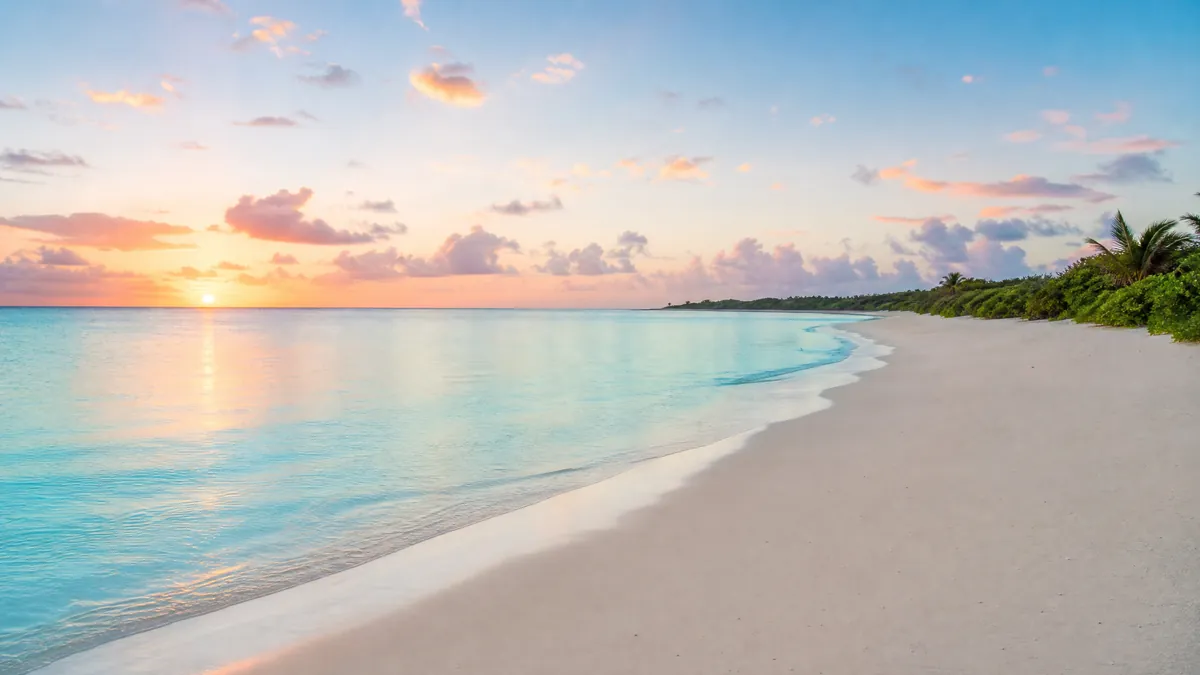
The reward? Everything the campaign name promised: empty white beaches such as Shoal Bay, deep peace and quiet, safety and everyday life in English. Space to breathe. Internet is surprisingly well developed for such a small island. But if business-critical video calls keep your income flowing, protect your peace of mind: test the connection of your specific accommodation before you book.
Two realities you cannot ignore:
- Getting there: paradise takes planning. You almost always travel via St. Maarten (ferry or small plane) or through hubs such as Antigua and San Juan. From Europe that means connections via London, Paris or Miami. There are no direct flights.
- Hurricanes: from June to November, the season is more than a statistic. Hurricane Irma hit the island with full force in 2017.
Make Anguilla your winter base, and you largely avoid both problems. Picture a different working rhythm: the island is 5-6 hours behind Central European time, so calls with European clients are best scheduled for your morning.
Ready to explore your options? Find more programs in our digital nomad visa overview, and get the basics in our guide What is a digital nomad visa?.
Frequently asked questions
Does Anguilla still have a digital nomad visa?
Not in practice, and you need to know before making plans. When we checked on 1 August 2026, the application domain was gone, the program pages were removed and the government eVisa portal had no remote work category. Yet no official notice that the program ended has been published.
What did the Anguilla program cost?
Your escape from the crowds: Lose the Crowd charged US$2,000 for individuals and US$3,000 for families, for stays of 3-12 months.
Your Caribbean dream isn’t over: which digital nomad visas still work?
Trade the daily grind for the Barbados Welcome Stamp (12 months, US$2,000) or Dominica's Work in Nature visa (18 months, from US$900). Both expect an annual income of US$50,000. Your next chapter could start here.
The Caribbean is calling. Ready to answer?
Stop dreaming about it. Start planning for it. We explore which programs are still running and fit your situation, and what your move would mean for your taxes in the country you live in now.
Book a consultation