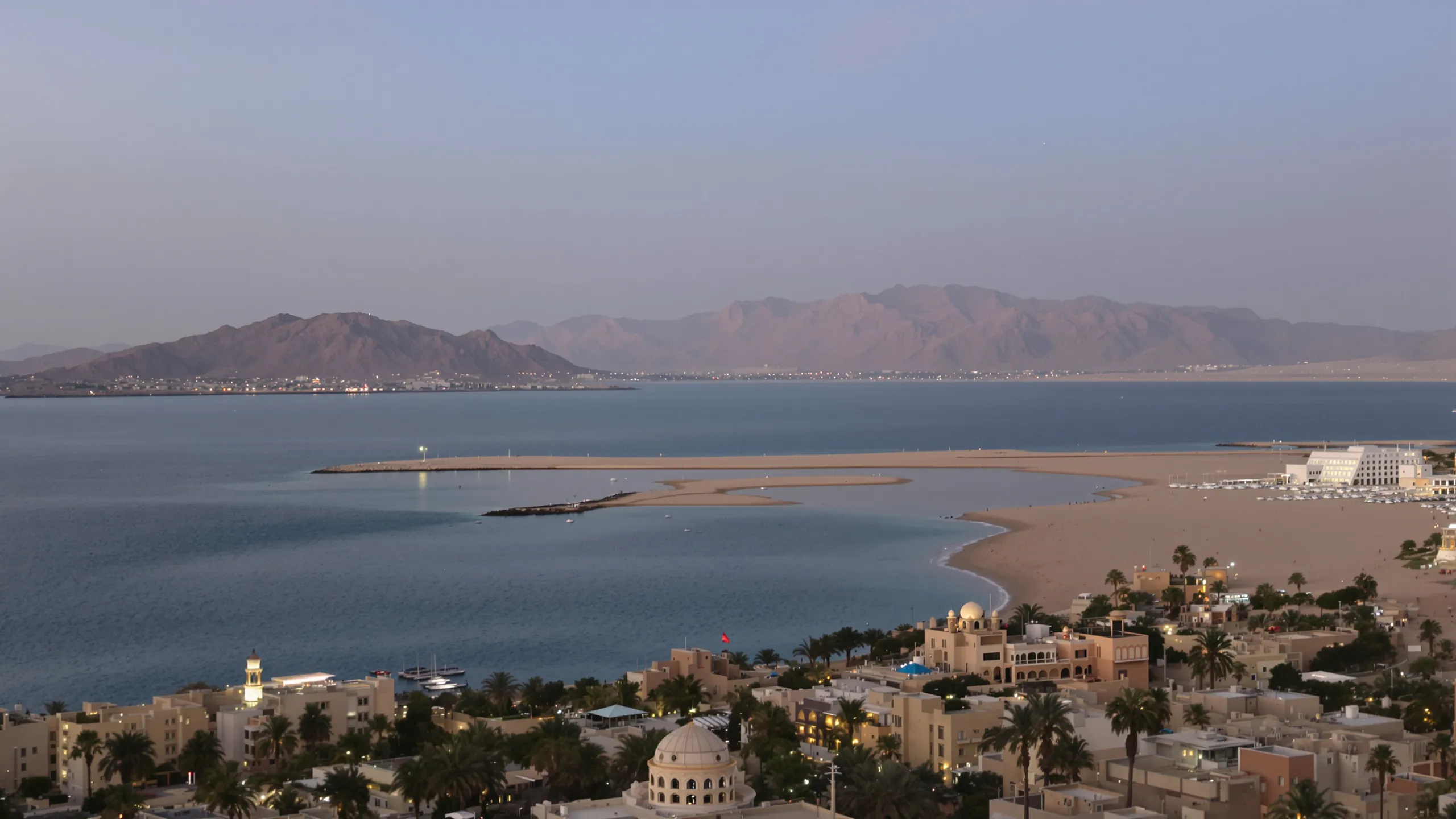
Egypt digital nomad visa: the dream, the reality, and what to expect
Egypt pulls you in: ancient culture, the Red Sea, and living costs far below Europe. No wonder it lands on nomad lists as an exotic escape. But before you fall for the dream, know this: most articles lead with a visa that does not exist. Get the honest picture, as of August 2026.
No Egypt digital nomad visa: tourist status instead
Egypt has no digital nomad visa and no residence permit for remote workers. But don’t let that stop you imagining a different everyday life. Affordable tourist visas with an established extension practice, two strikingly different nomad worlds in Cairo and on the Red Sea, and internet that’s better than its reputation make the possibility feel real. Dream big, but arrive informed: the country has been through a severe economic and energy crisis since 2023.
That trip you keep putting off? Start making it happen. Many nationalities can get an e-visa before travel through the official portal or a visa on arrival at the airports; check whether your passport is eligible. The single-entry tourist e-visa costs US$30 and allows 30 days; the multiple-entry version costs US$65. Protect your budget from unwelcome surprises: fees were recently raised by five dollars.
Picture arriving in paradise, then discovering your entry permit limits your plans. Fly straight to Sharm el-Sheikh and stay only in South Sinai (Sharm, Dahab, Nuweiba, Taba), and the Sinai stamp gives you a free entry permit for 15 days, valid for that region only. Tempting? Absolutely. But with the Sinai stamp you cannot go to Cairo or Luxor, and after 15 days it ends. It cannot simply be converted later. Dreaming of making Dahab your work base? Get the regular visa from the start.
How long-stayers actually do it
Not ready to say goodbye? The tourist visa formally allows no gainful activity. Here’s how people in the international community make longer stays happen: enter on a tourist visa, then extend your stay at the passport office in the country, an established, cheap and routine process in tourist regions, or leave and re-enter periodically. Foreigners live like this in Dahab or Cairo for years.
But don’t let your dream become a gamble: this is a tolerated practice, not a legal status. Officially, you are there as a tourist. Tolerance of quiet remote work can end at any time, and missing an extension means fines on departure and possible trouble on future entries. Do not build a permanent setup or a residence strategy on Egypt. Enjoy what the status does allow: Egypt as a flexible seasonal destination. Want a country that offers a remote work visa? Find your next possibility in our digital nomad visa comparison.
Three places, three worlds
Cairo: the underrated megacity
Want to feel the pulse of a city that makes you feel truly alive? Cairo is not for your first nomad stay, but if you can handle a big city, it is one of the cheapest metropolises in the world with real substance. Find your people in Zamalek, the Nile island with embassies, cafés and quieter streets, or settle into Maadi in the south: green, relaxed and an expat district for decades. Coworking has been around since the 2010s, the startup scene is the largest in North Africa, and English works throughout educated circles. In the expat districts you can live on €700-1,200 a month, with furnished apartments from about €300-500. The trade-off? Megacity-level noise, air pollution and traffic.
Dahab: the laid-back village with a community
Close your laptop. Head straight for the water. Feel your whole day change. Dahab on the Gulf of Aqaba is what most people mean when they talk about Egypt for nomads: a former Bedouin village between mountains and sea, with world-class diving and freediving off the promenade, kitesurfing in the lagoon and a small, stable international community. Life costs €600-1,000 a month, and that dream of morning work and afternoon swims? It is real. But the infrastructure is the weakest of the three. Internet is usable, not Cairo level, and power cuts happen. Need stable video calls daily? Keep the dream workable: protect your working day with backup mobile data from several providers.
Hurghada and El Gouna: infrastructure on the Red Sea
Want the Red Sea dream without the daily struggle? Hurghada has an international airport with cheap direct flights, large expat communities, many of them Russian and German, and every everyday service. But the real draw for nomads waits 25 km north: El Gouna, a privately developed and managed planned town, has the most reliable infrastructure in the country, with fiber, coworking, international schools and a level of safety and cleanliness that feels worlds away from the rest of Egypt. Imagine the relief of making everyday life easier. That ease comes at a price: realistically €900-1,400 a month, while Hurghada itself costs much less. Working remotely from Egypt for the first time? Give yourself the easiest start.
Internet and power
Your workday deserves a connection you can count on. Egypt's fixed-line internet averages around 76 Mbit/s, the best in Africa according to the Ookla index; mobile averages are around 35 Mbit/s. But location makes all the difference: fiber is concentrated in new Cairo districts, El Gouna and the large coastal resorts, while older buildings and small towns stay on DSL and mobile. Protect your peace of mind: check the specific accommodation, not the national statistics.
The catch you cannot afford to ignore? Energy. The energy and currency crisis since 2023 led to daily power cuts in 2023 and 2024. Since the end of March 2026, a nationwide early-closing rule has applied: restaurants, cafés and shops close at 9 pm, on Thursdays and Fridays an hour later. Hotels and the big tourist areas, including Hurghada, Sharm el-Sheikh, Luxor and Aswan, are exempt, but the rule reveals just how strained the grid is. Don't let a low battery derail your plans: a power bank and a laptop with long battery life are basic kit in Egypt, and evening deadlines need to account for the closing time.
Safety: feel prepared, not persuaded
You deserve the real picture before you book. Egypt is neither the powder keg of some headlines nor the carefree holiday land of the brochures. This assessment follows the travel advice of Germany's Foreign Office; check your own government's advice before you go.
- Travel warnings cover North Sinai, the border areas with Libya and Sudan and remote parts of the Sahara. Know where they apply.
- The tourist regions on the Red Sea, in Cairo and the Nile valley are heavily secured, a reassuring fact, not a promise of risk-free travel.
- In South Sinai, individual overland trips and unaccompanied excursions away from the towns are discouraged; between Sharm and Dahab, stay on the main road.
- Everyday crime against foreigners is low by international standards. Still, verbal harassment is a documented issue, especially for women traveling alone, less so in the Dahab and El Gouna communities than in Cairo crowds.
- The biggest statistical risk deserves your attention, not your fear: road traffic.
Money, tax and health
Your money can go remarkably far in Egypt, but that affordability comes at a human cost: the country is in a slump. The Egyptian pound lost a great deal of value after the 2024 float, and inflation at times topped 30%. Earn in euros or dollars, and your purchasing power is unusually high. Locals carry the cost, while imports, expat-area rents and anything touristy keep getting pricier. Make your everyday spending simpler: cash from the ATM for daily life, cards only in established shops, plus two cards from different providers, as in our guide to the best bank accounts for digital nomads.
Protect that freedom from an expensive tax mistake. Spending more than 183 days a year in Egypt generally makes you tax resident there. But here is what matters most for many travellers: a winter in Dahab does not end your tax liability at home, and tourist status without a residence permit proves no new residence. Living somewhere cheap is not the mistake; being resident nowhere is, as Are digital nomads tax-free? explains. If you are a US citizen, you remain subject to US income tax on your worldwide income wherever you live (IRS).
Your health is too precious to leave to chance. Cairo and the Red Sea coast have good private clinics; serious cases from Dahab go to Sharm el-Sheikh or Cairo. Your health insurance must cover long stays and medical evacuation; find your next step in health insurance for digital nomads.
Who Egypt works for
Craving a very cheap winter base? Egypt could be your escape, if water sports are your ideal downtime after work and you can take improvised infrastructure in stride. And here’s the underrated win: you’re only one hour ahead of Central Europe. That means full overlap with European clients, without night calls eating into your evenings.
But don’t force the fit: if you need a reliable residence permit, predictable authorities or Western European reliability of power and internet, Egypt is not for you. This is not the country for a long-term move or a residence strategy. But as one stop in your location-independent life, with your tax base elsewhere? Egypt absolutely has its place.
Frequently asked questions
Does Egypt have a digital nomad visa?
No, but your dream of Egypt still has a starting point: the tourist visa, as an e-visa US$30 for 30 days or US$65 for multiple entries, plus an established practice of extending at the passport office in the country. Just know the limits before you leap: remote work on tourist status is not regulated and is tolerated, nothing more.
Is the free Sinai stamp enough for your dream stay in Dahab?
Yes, but only for up to 15 days and only in South Sinai. Don’t let visa limits cut your adventure short: if you want to stay longer or travel on to Cairo, get the regular visa from the start. The Sinai stamp cannot simply be converted later.
How good is the internet in Egypt?
Stay connected with confidence: the national fixed-line average of around 76 Mbit/s is the best in Africa. But location matters: fiber in new Cairo districts and El Gouna, much less in older buildings and in Dahab. Don’t leave your connection to chance: check the specific accommodation and keep mobile data as a backup.
Wintering on the Red Sea, but where do you belong?
Dreaming of winters in Dahab or El Gouna? Egypt works as a season, not as a residence. Don’t let uncertainty over your tax base overshadow that dream. A consultation helps you decide where it should be, so you can plan your winters with clarity.
Book a consultation